Key Takeaways
- Sealer helps keep water, road salt and stains out of concrete, the main causes of flaking and pitting in Michigan.
- Film-forming acrylic sealers, common on stamped and exposed aggregate, are typically reapplied every 2 to 3 years. Penetrating sealers usually last longer.
- The water test tells you when it’s time: if water soaks in and darkens the concrete instead of beading, reseal.
- Seal on a clean, dry surface in mild weather. New concrete usually needs about a month to cure first.
In This Guide
- Why Sealing Concrete Matters in Michigan
- Types of Concrete Sealers
- How Often Should You Seal Concrete?
- The Best Time to Seal Concrete in Michigan
- Why Cleaning Comes Before Sealing
- Common Sealing Problems and How to Avoid Them
- Protecting Sealed Concrete From Salt and De-Icers
- Professional Concrete Cleaning and Sealing
- Frequently Asked Questions
Michigan winters are hard on concrete. Road salt and de-icers ride in on tires, snow melts and refreezes, and water soaks into the surface and expands as it freezes. Over time that cycle causes the flaking, pitting and dull, faded color you see on so many driveways and patios.
Sealing is the simplest way to slow that damage down. Here’s how concrete sealing works, which sealer fits which surface, how often to seal concrete in our climate and why a thorough cleaning has to come first.
Why Sealing Concrete Matters in Michigan
Concrete looks solid, but it’s porous. Water and dissolved salt soak into the surface, and when that water freezes it expands. Repeat that dozens of times each winter and the top layer starts to scale and pop off.
A sealer reduces how much water and salt can get in. It also makes oil, leaves and dirt easier to clean off, and on decorative concrete it brings back color that sun and weather have faded.
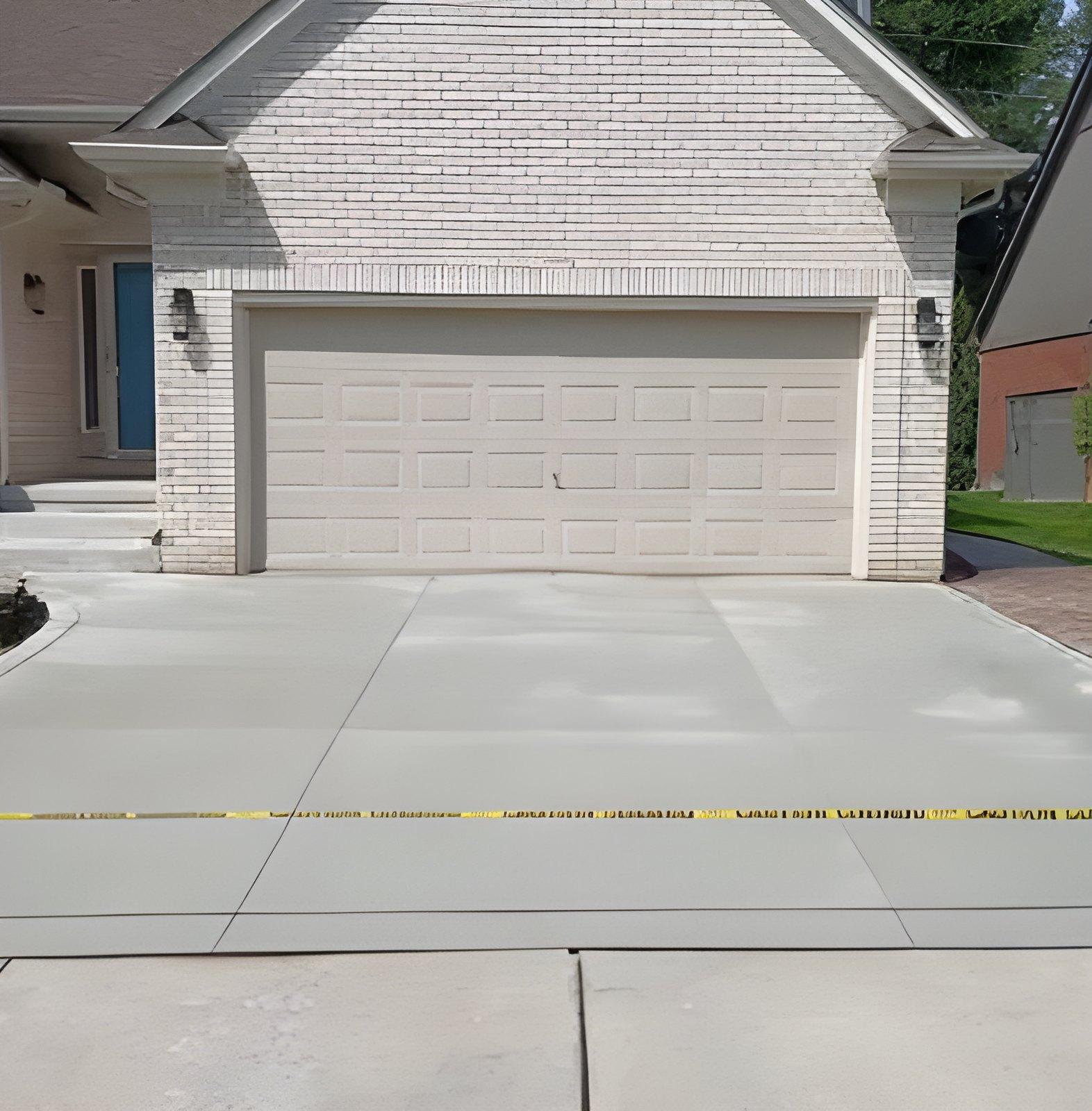
- Driveways see the most salt, so they benefit most.
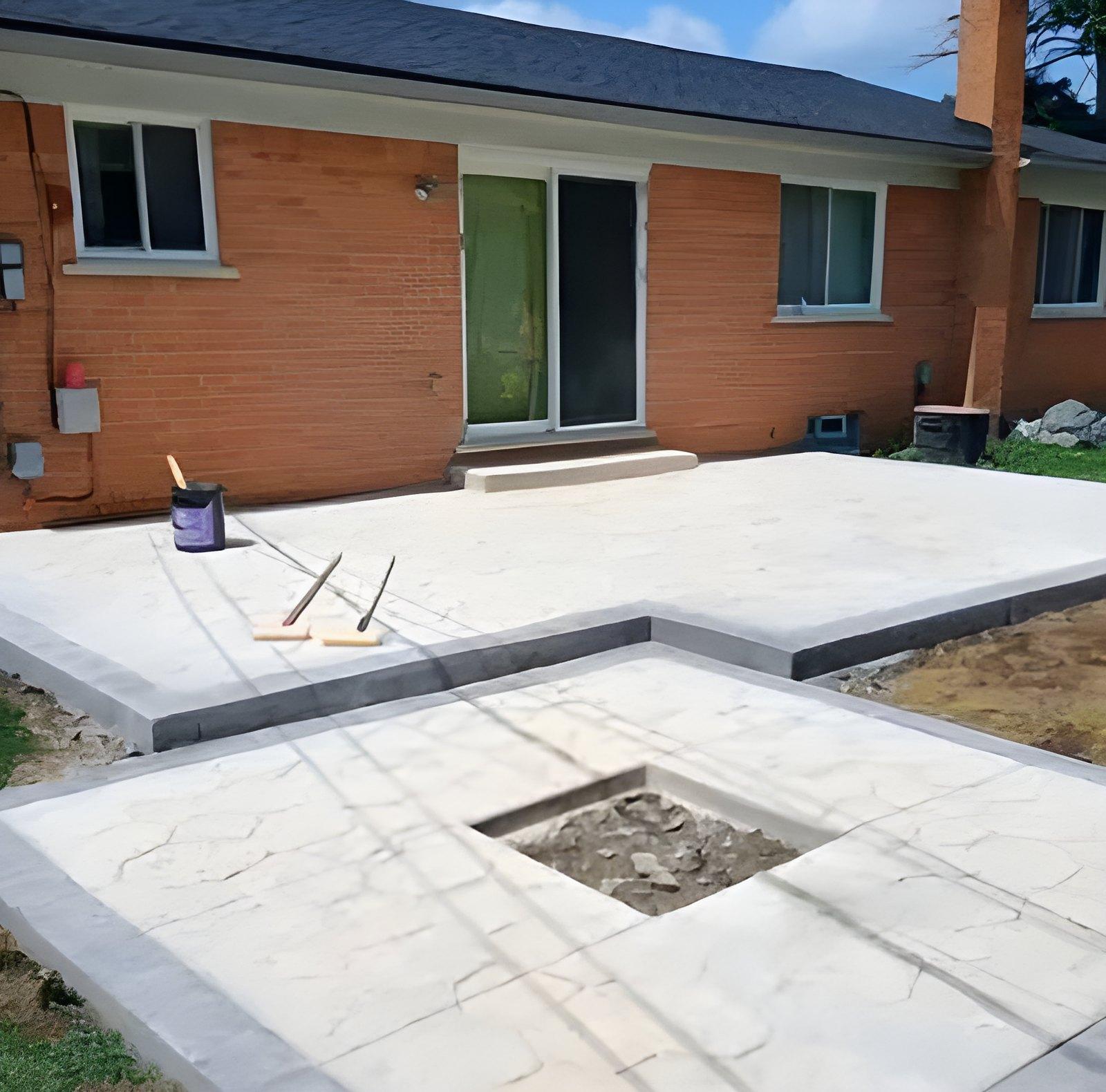
- Stamped and colored concrete needs sealer to protect the color and pattern.
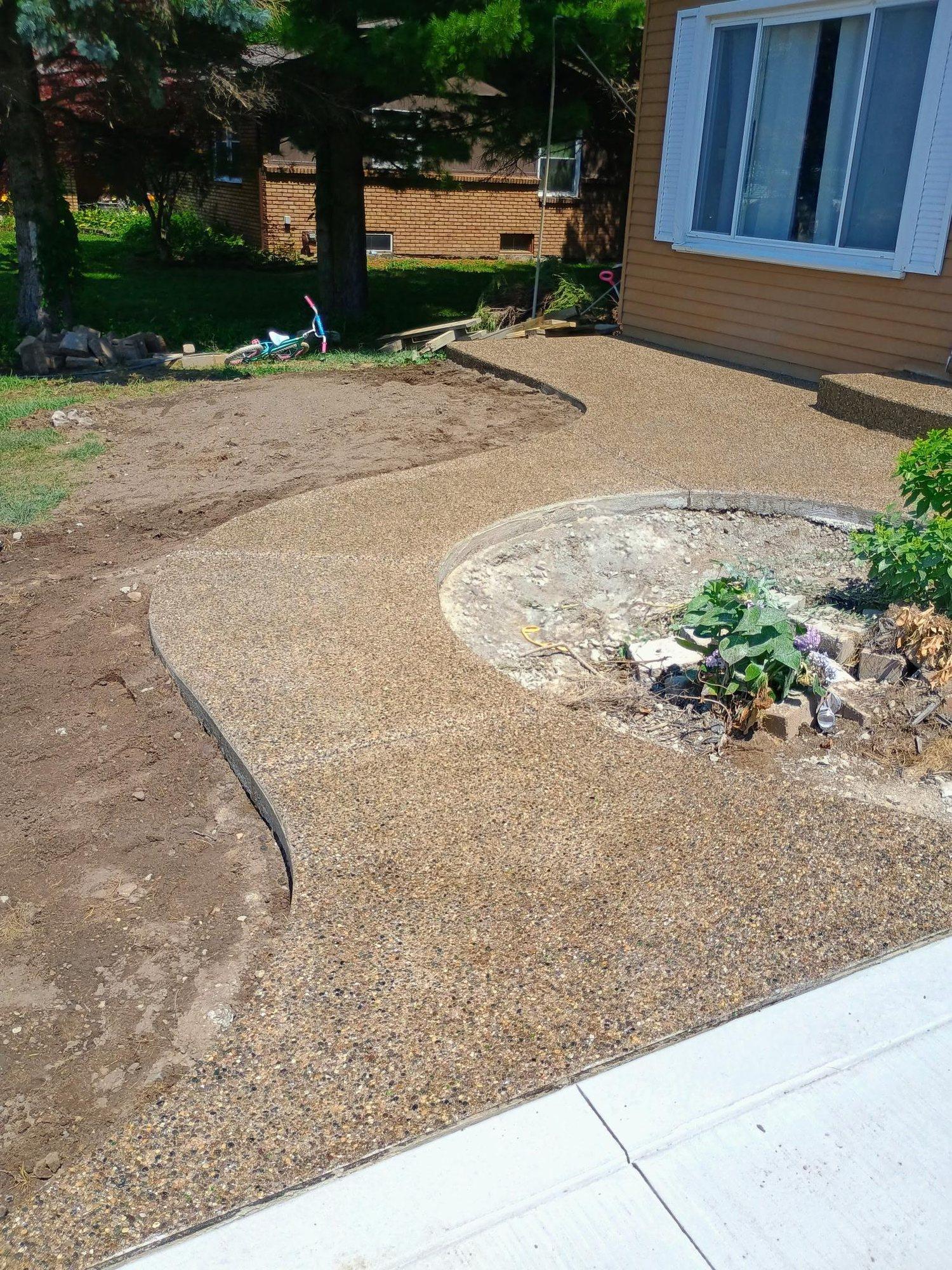
- Exposed aggregate looks richer when sealed, and sealer helps hold the stones in place.
- Walkways, steps and pool decks stay cleaner and resist staining.
Types of Concrete Sealers
Penetrating Sealers
Penetrating sealers, such as silane and siloxane products, soak into the concrete and react to make it water-repellent without forming a film on top. They don’t change the look much or add shine, and they don’t affect traction. They’re a strong choice for broom-finished driveways and walkways where salt protection is the main goal, and they typically last longer than film-forming sealers.
Film-Forming Acrylic Sealers
Acrylic sealers form a thin protective layer on the surface. They deepen color and can add a satin or “wet look” finish, which is why they’re the usual choice for stamped concrete and exposed aggregate. Because they sit on top, they wear with sun and traffic and need reapplying more often.
Epoxies and Urethanes
These high-build coatings are mostly used indoors, such as on garage and shop floors. They’re generally not a good fit for outdoor slabs in Michigan, where trapped moisture and UV can cause problems.
Always follow the product label
Sealers vary a lot. Application temperatures, drying times, coverage rates and how soon you can walk or drive on the surface all come from the manufacturer. The guidance in this article is general.
How Often Should You Seal Concrete?
There’s no single answer, because it depends on the sealer, the surface and how much traffic, sun and salt it sees. As a general guide:
- Stamped and exposed aggregate with an acrylic sealer: commonly every 2 to 3 years.
- Driveways with a penetrating sealer: usually less often, but check the product’s rated lifespan, since heavy salt exposure wears protection down faster.
- Shaded, low-traffic patios generally last longer between coats than a sunny, salted driveway.
The Water Test
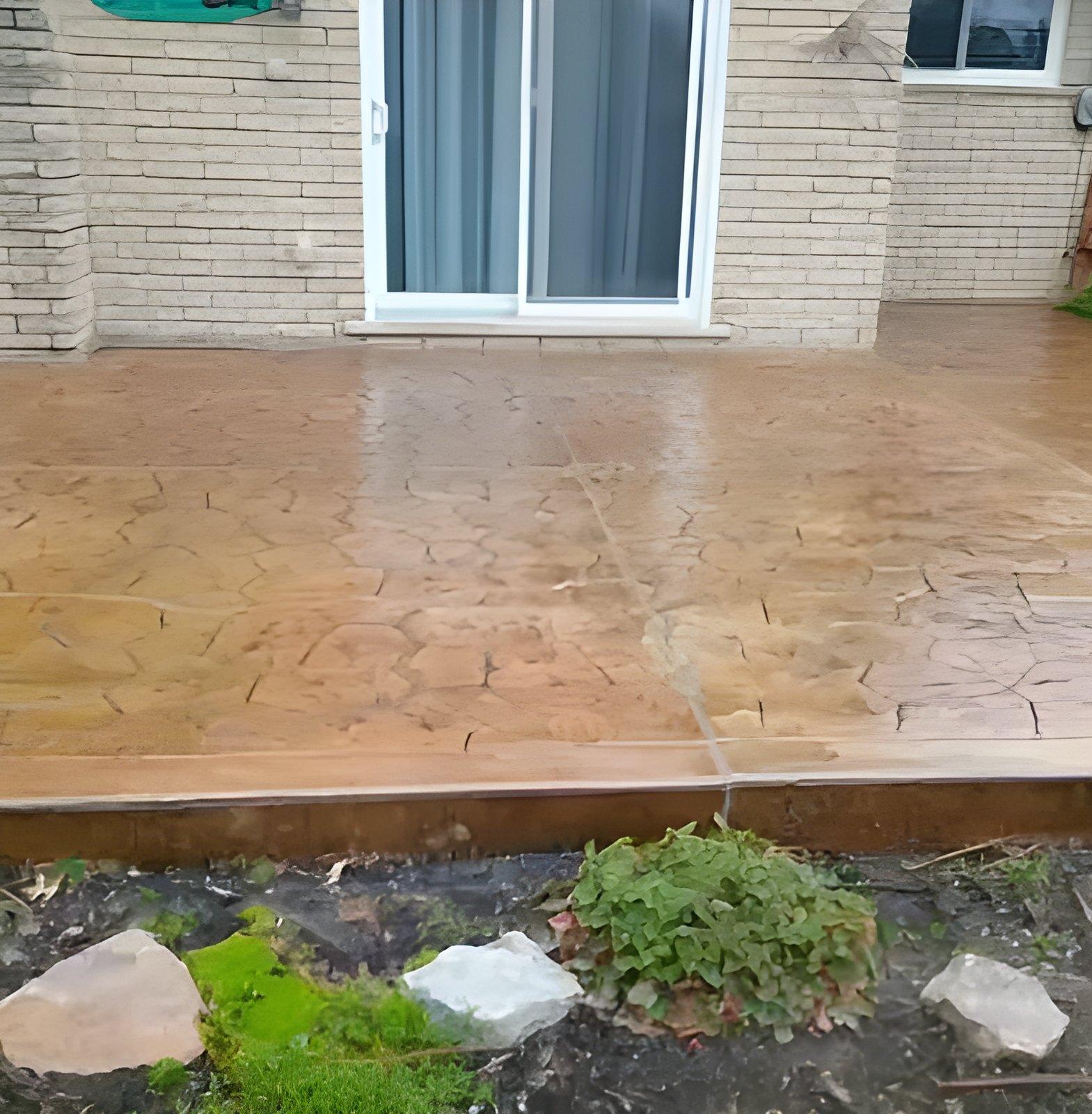
Sprinkle some water on the concrete. If it beads up, the sealer is still working. If it soaks in and darkens the surface quickly, it’s time to reseal. Check the areas that get the most traffic and salt first, like the apron of the driveway and the bottom of steps.
The Best Time to Seal Concrete in Michigan
Sealing is weather-dependent. Most sealers need the concrete to be clean and completely dry, and temperatures need to stay within the product’s range, commonly 50°F or warmer, while it’s applied and drying. Rain in the forecast means rescheduling.
- Late spring through early fall is the main sealing season in Michigan.
- Early fall is a great time for driveways and walks, so the protection is fresh before the first salt goes down.
- Spring is a good time to wash off a winter’s worth of salt and grime and reseal decorative patios before summer.
Sealing new concrete
New concrete needs to cure before it’s sealed. A common guideline is to wait about a month after the pour, but the right timing depends on the mix, the weather and the sealer, so ask your contractor.
Why Cleaning Comes Before Sealing
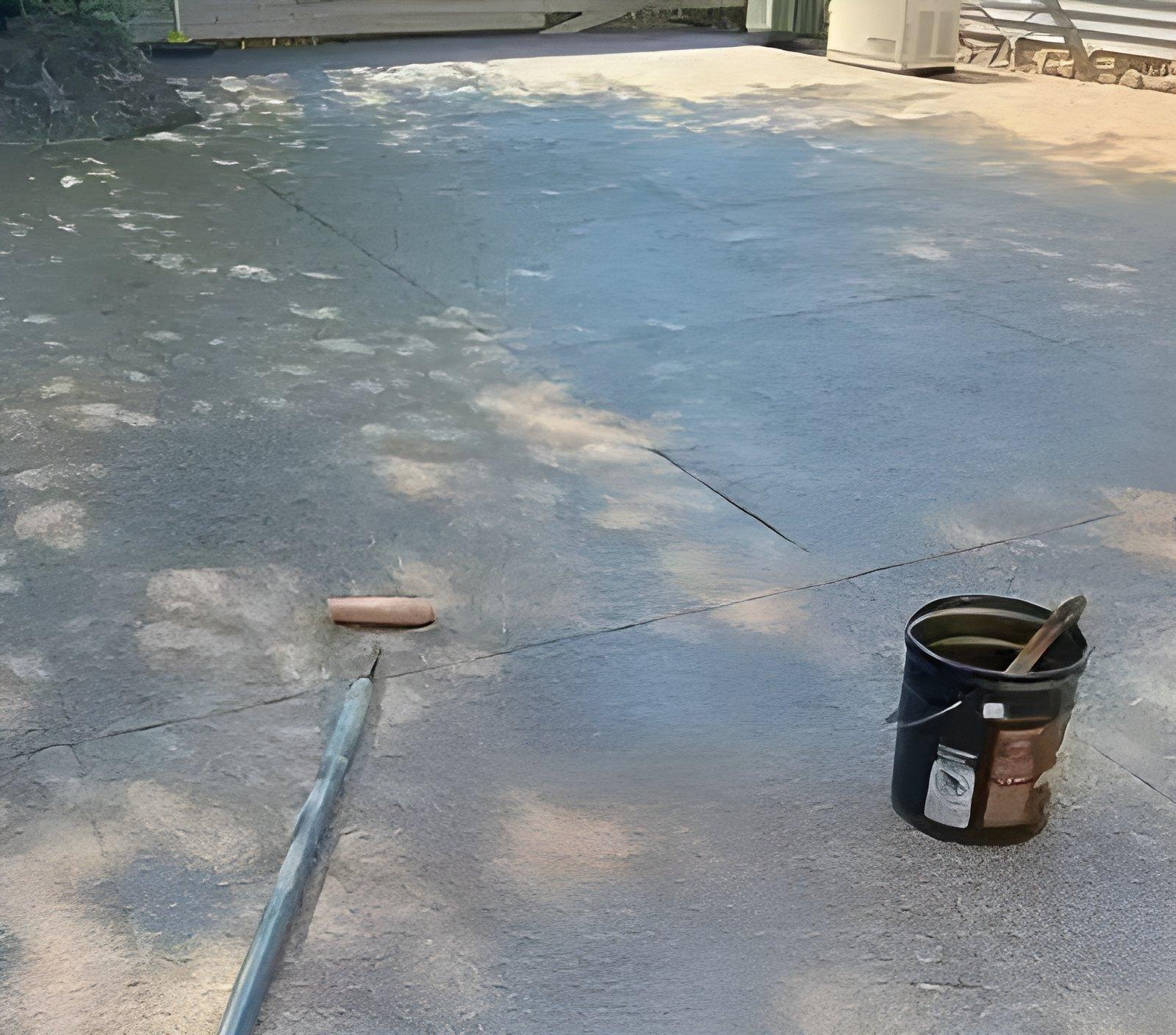
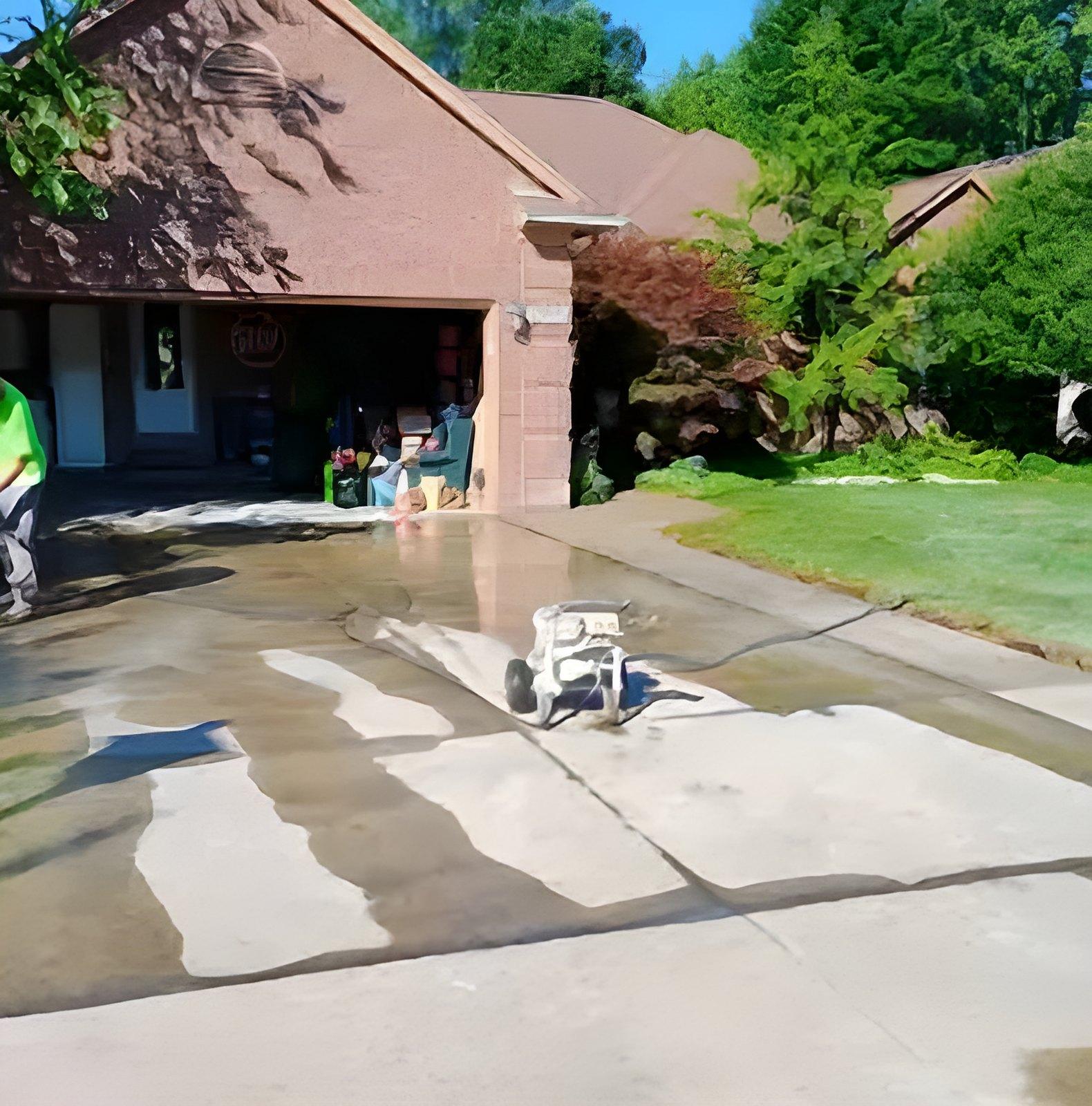
Sealer only works if it bonds to clean concrete. Applied over dirt, mildew or old, failing sealer, it can peel, cloud or wear off quickly. A proper cleaning and sealing job usually looks like this:
- Pressure washing to remove dirt, mildew, moss and loose material.
- Spot-treating stains like oil and rust where needed.
- Thorough rinsing, then letting the surface dry completely.
- Applying sealer in thin, even coats. Thick coats and puddles are a common cause of cloudy or white patches.
- Keeping traffic off until the sealer has dried, per the product label.
Common Sealing Problems and How to Avoid Them
- White, cloudy patches are often moisture trapped under an acrylic sealer, or a coat applied too thick. Sealing only when the surface is dry and using thin coats prevents most of it.
- A slippery surface can happen when glossy sealers go on smooth or stamped concrete. An anti-slip additive mixed into the sealer restores traction on steps, walks and pool decks.
- Peeling or flaking sealer usually means it went on over dirt or old sealer, or wasn’t compatible with what was already there.
- Uneven color comes from inconsistent application or skipping the cleaning step.
Protecting Sealed Concrete From Salt and De-Icers
Sealer slows salt damage. It doesn’t make concrete immune. A few habits help it last:
- Avoid de-icers containing ammonium nitrate or ammonium sulfate, which chemically attack concrete.
- Use de-icers sparingly, and shovel before applying them so less meltwater sits on the surface.
- Don’t use any de-icer on concrete during its first winter. Use sand for traction instead.
- Rinse salt off driveways and walks in spring before you reseal.
If you’re planning new concrete, our driveway replacement guide covers how mix design and drainage help concrete stand up to salt from day one.
Professional Concrete Cleaning and Sealing
Enzo’s Concrete offers concrete cleaning and sealing for driveways, stamped patios, exposed aggregate and walkways across Macomb County, including sealing in New Haven and sealing in Macomb Township. We pressure wash first, then seal, and we’ll recommend timing based on your concrete and the weather.
Frequently Asked Questions
- Should I seal my concrete driveway?
- In Michigan, sealing is worth considering for most driveways because of road salt and freeze-thaw cycles. A penetrating sealer is a common choice for broom-finished driveways because it protects without changing the look or traction.
- Can you seal concrete in the fall?
- Yes, as long as the surface is dry and temperatures stay within the sealer’s range during application and drying. Early fall is a popular time because the protection is fresh before winter salt.
- Does sealing fix cracks or flaking?
- No. Sealer helps prevent damage but doesn’t repair it. Cracks and badly scaled areas need to be repaired or replaced, and sealing then helps protect the result.
- How long after sealing can I drive on my driveway?
- It depends on the product and the weather. Foot traffic is often allowed within hours, while vehicles usually need longer. Follow the drying times on the sealer’s label.
Ready for Your Own Concrete Sealing Project?
See finished work and what to expect on our concrete cleaning & sealing page, browse the project gallery, or call or text (586) 231-4217 to talk through your plans.